Opinion: The double standard of 1849-1861 I made up in my head

When I began writing this, it was a scathing critique of how I have noticed that historians treat the presidents immediately before the civil war to a double standard regarding slavery - they’re considered weak if they compromise on slavery (“kicking the can down the road”) but also considered weak if they inflame the tensions over slavery (“putting the country on the path to civil war”). I put hours of work into writing what exactly Presidents Fillmore, Pierce, and Buchanan’s missteps were to demonstrate this double standard, but ran into a problem. I simply couldn’t find any historians that actually argued the point I was rebutting. I think this is an issue where I’ve read so much amateur historiography in the form of Reddit comments and YouTube content creators that somewhere down the line I subconsciously took the amateur consensus as academic opinion.
So I had a choice: I could either scrap the whole thing or substitute “historians” with “folks” and call it a day. I certainly didn’t want to scrap it, but I also didn’t want to write an article with the thesis being solely that I’m so much more informed than the masses that I can broadly correct their misconceptions. After all, if I’m writing about criticizing the misconceptions of the average casual history enjoyer it comes off much more mean-spirited than describing frustration at a single contradiction historians seem to have. But I don’t like either of those choices, so I have opted for a third choice: leaving the infodump as-is without a thesis. At least, without a thesis directly related to the subject matter. Enjoy!
The Compromiser
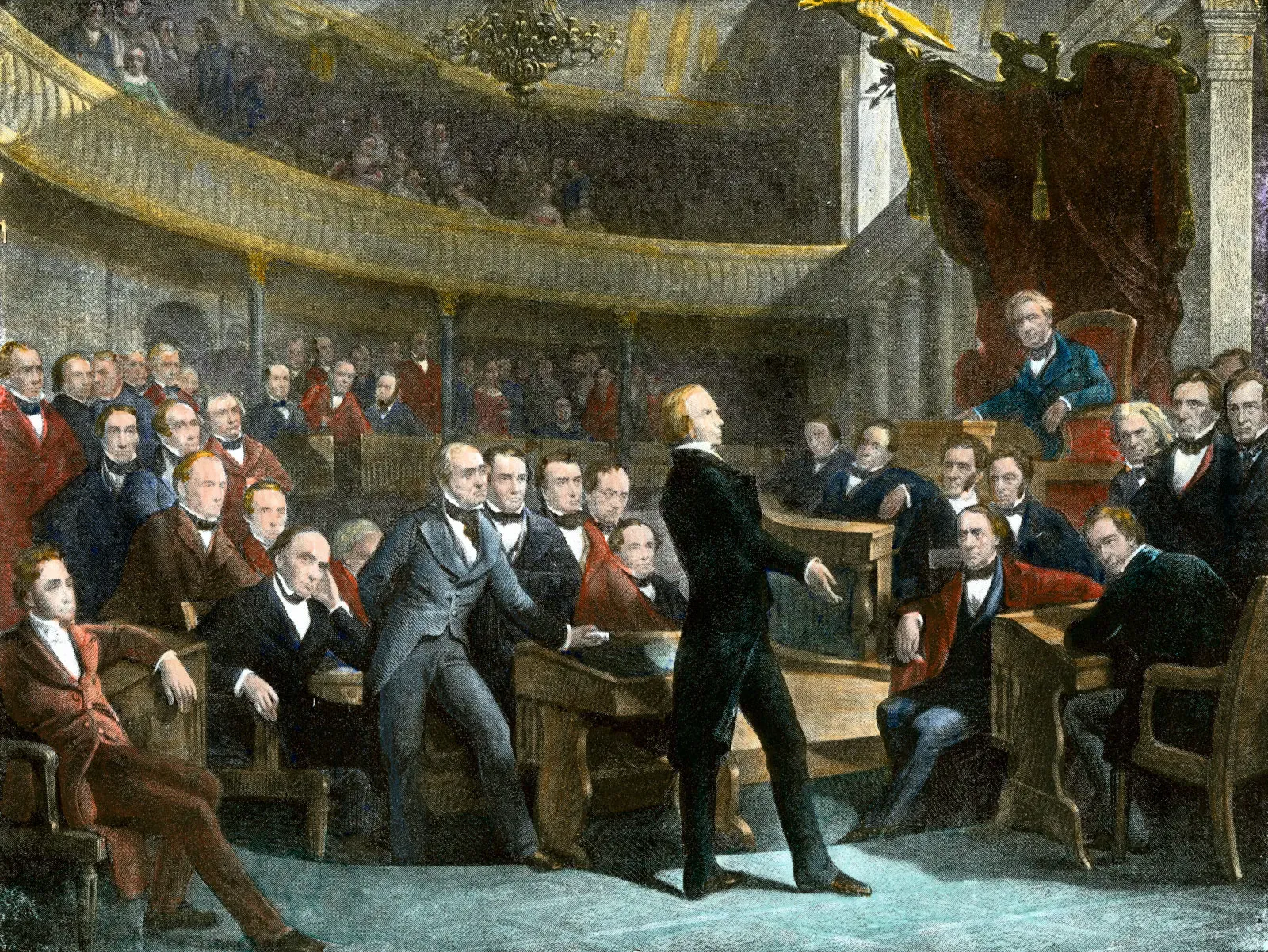
President Millard Fillmore is primarily known for the Compromise of 1850, an attempt at easing the sectional tensions left in the wake of the Mexican War. The issue of the day was whether the vast territory gained in the war would be Slave or Free. The Missouri Compromise was still the law of the land, and since the majority of land acquired from Mexico was below the Mason Dixon line abolitionist northerners wanted a new status quo. Belonging to the Whig party, Fillmore and his congressional ally Henry Clay worked with Democratic congressmen to hammer out a compromise. Briefly summarized, the territory gained in the war would be neither Slave nor Free, California would be admitted as a Free state, and all citizens and federal agents in northern states would be required to assist in the return of runaway slaves (Fugitive Slave Act). While unsatisfactory to radical pro-slavery factions who were desperate for an expansion of their territory, it was also unsatisfactory to abolitionist factions who objected to citizens being conscripted as slave catchers. The fact remained, however, that most in congress agreed that this was the best solution they could come up with and sectional peace was, for at least a few years, restored.
The Inflamer
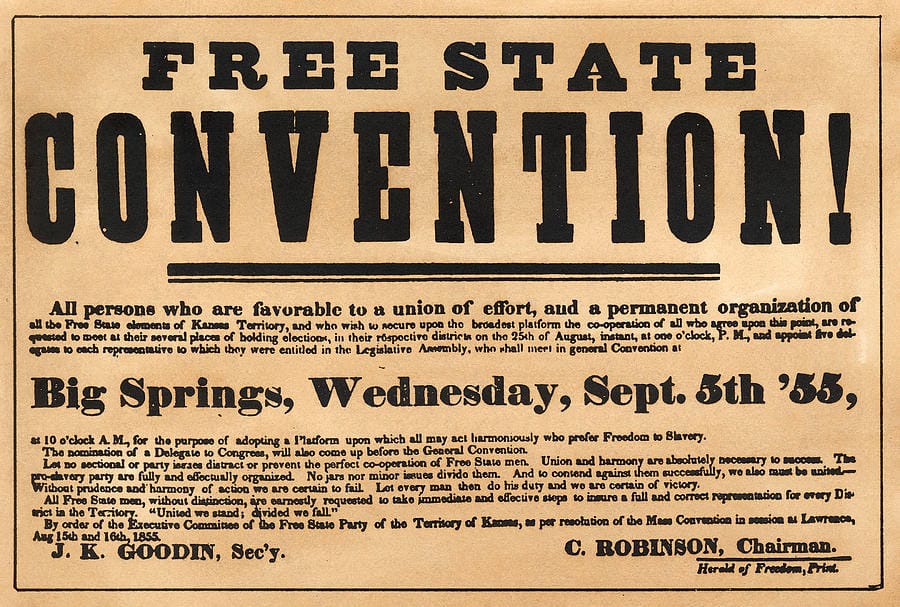
President Franklin Pierce is known for the infamous Kansas-Nebraska act of 1854 which blew apart the status quo created by Fillmore’s compromise four years earlier. A Democrat, Pierce worked with Democratic Senate leader Stephen A. Douglas to figure a way to bring Kansas and Nebraska, territories at this time, into the Union without prohibiting slavery there. As the territories were north of the 36°30' parallel that designated the boundary dividing the free North and slave South, they schemed to repeal the Missouri Compromise that established that parallel. Douglas drafted a bill that effectively replaced the Missouri Compromise with the doctrine of Free Sovereignty - in essence, upon admittance into the Union the state’s status as Free or Slave would be decided by majority vote. Known as the Kansas-Nebraska act, the bill passed with Northern Whigs the only significant faction to oppose it. The result was explosive in Kansas and Nebraska as pro-slavery factions poured in from Missouri and “native” Free voters from those states were aided by New England abolitionist societies. Violence ensued, contentious elections were held, and the whole debacle was dubbed “Bleeding Kansas.” This was the first real indication that violence would settle the slavery question in America, and it was all time high for sectional tensions.
The Inactive
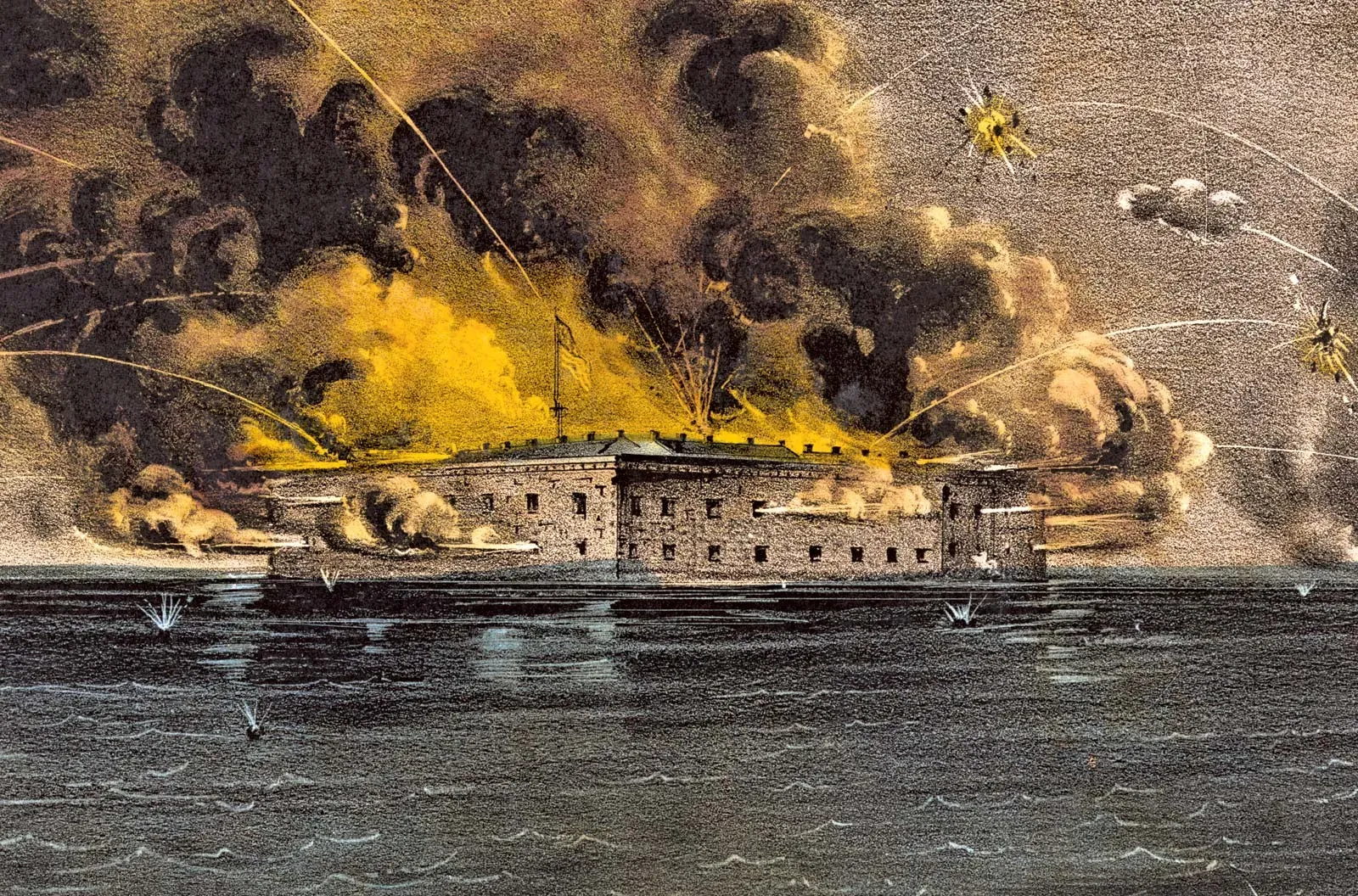
President James Buchanan, a Democrat from Pennsylvania elected after Pierce in 1856, is best known for doing less than nothing to help the situation. A lawyer by trade, as many politicians back then were, he was consumed by the spirit of executive prudence. After the Missouri Compromise was effectively ruled unconstitutional by the infamous Chief Justice Taney’s ruling in Dred Scott v. Sandford, he did nothing but stand by the court’s decision. In Kansas, when competing Free and Slave factions set up governments in Topeka and Lecompton respectively, he recognized and supported the Lecompton government even through a blatantly fraudulent referendum on slavery. The whole episode is too complex to detail here, but Buchanan showed particular weakness beyond just being on the wrong side of the issue. His most memorable failure, however, was his inaction during the attack on Fort Sumter. On April 11, 1861, rebel forces from South Carolina demanded the surrender of the Federal (or Union)-held Fort Sumter, and were refused. The next day, the rebels fired on the fort. The day after, the fort was evacuated. Buchanan, ever the prudent executive, spent the episode mulling over whether he had the legal authority to send troops to reinforce the Federal troops trapped in the fort. This prudence was not emulated by Buchanan’s successor, Abraham Lincoln, and we are grateful for that.
As always, thank you for reading!
No AI was used at any point in the creation of this blog